Showing posts with label Nutritionist. Show all posts


Why you need Omega-3 Fatty Acids: Review and Giveaway

Chances are you've heard the terms fatty acid, EFAs and omega-3 before, but do you know what a fatty acid really is or why your body needs it? No sweat! I make it all very easy for you to understand.  What about the different types of fatty acids, what foods you can naturally find them in and whether or not you should supplement? 
 
Fatty acids are important for all systems of the body to function normally, including your skin, respiratory system, circulatory system, brain and organs. The two essential fatty acids that the human body cannot produce are the omega-3 fatty acid and omega-6 fatty acid, which are important for brain development, immune system function and blood pressure regulation. Today we are going to talk about Omega-3. Stay tuned for my write up on Omega-6.

What is Omega-3 Fatty Acid?

Omega-3 fatty acids, also known as "good fats,"  are essential for optimal health. Like vitamins and minerals, omega-3 must be provided by our diet as it is not produced by our bodies. Eicosapentaenoic Acid (EPA) and Docosahexaenoic Acid (DHA) are the active forms of omega-3 required by the body to perform vital functions.


Omega-3 Foods
Fatty Fish, Eggs, Nuts and Seeds, Flax Seed and Flax Oil, Leafy Green Vegetables, Spirulina


Omega-3 function in the body 
 
Promotes cardiovascular health  
Reduces inflammation  
Supports mental focus and cognitive function  
Supports positive mood and emotional well-being
Promotes brain, eye and nervous system health  
Supports healthy immune system function  
Enhances appearance of skin and hair
Promotes optimal fat metabolism

Health Benefits of Omega-3 Fatty Acid 


Research on the health benefits of omega-3 fatty acid have shown that it may be useful for supporting the following conditions.

  • Asthma 
  • Diabetes 
  • Arthritis 
  • Osteoporosis 
  • Some Cancers 
  • Skin Problems
  • High Cholesterol 
  • High Blood Pressure 
  • Attention Disorders
  • Depression
  • Digestive Disorders
  • Obesity 


    Why you Should Supplement

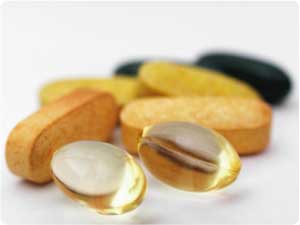
    If you don’t eat fish—the main food source of the omega-3s DHA and EPA—at least two to three times a week, you might consider a supplement. Go for DHA+EPA. Studies suggest that this combination of omega-3s is best for overall health (e.g., preventing heart disease and depression, promoting healthy brain development). A third type of omega-3 fat, alpha-linolenic acid (ALA), found in flax, is not very effective at promoting overall health but is still very healthy for you and a great complement to a whole and healthy diet.

    Individuals who consume a high amount of fatty fish in their diet tend not to need to supplement with fish oil  as much or as often, however you should also remember that many of the fish varieties do contain higher levels of mercury, which also needs to be monitored in the human body.


    If these levels of mercury get too high, that can cause a boat load of problems, so it's vital that you keep a good balance. A high quality and trusted fish oil supplement along with fatty fish on occasion will be the best way to meet your body's needs safely.


    Giveaway

    A BIG thank-you to Ascenta Health  for awarding one lucky My Wholesome Home follower a prize pack valued at $150 which includes:

    NutraSea Mango
    NutraSea with Vitamin D
    NutraSea Canine
    NutraSea Feline
    NutraSea Kids
     
    Why I love Ascenta products
     
    Every Ascenta product is manufactured under government audited, Good Manufacturing Practices. 
    Before their products leave their facility, they are sent to an external laboratory to ensure that they 
    exceed the stringent quality standards of the World Health Organization and the  
    Global Organization for EPA and  DHA (GOED).  Their fish oils do not smell like a fish market! 
    Instead they smell and taste of fresh ripe fruits likes mangos and citrus. You can easily add your oil 
    to a smoothie, yogurt or salad. All Ascenta products are third-party tested for contaminants 
    including mercury, PCBs and dioxins. Now that is a clean and high-quality product if you ask me!
     
    My personal supply of Ascenta products

    To Enter

    Become a My Wholesome Home blog follower and visit Ascenta Health. and leave a comment here about your favorite product or something you learned about the product and/or company.

    Extra Entries (leave a separate comment for each one):

    * Blog about this contest 

    * Subscribe to my updates
    * Follow my blog via Google Friend Connect
    * Follow @mywholesomehome on Twitter and tweet this giveaway, leaving a link to your tweet in the comments. You can tweet once per day (leave a comment each day). You can copy and paste my tweet if you'd like: Win an @Ascenta_Health Gift Pack at @mywholesomehome
    http://mywholesomehome.blogspot.com/2012/02/why-you-need-omega-3-fatty-acids-review.html #giveaway
    *Follow
    @Ascenta_Health on Twitter
    *Like me on Facebook
    * Read one of my blog entries and leave a comment
    *Facebook mention this giveaway (include link to my blog)

    If you posted on your blog, Twitter or Facebook page (one entry each per day) be sure to include it in your post so I can check it out and also so I can return the follow.

    Canada Postal addresses only.

    You must do the first entry in order to enter.
     

    You will have until Monday March 12, 2012. at 11:59pm EST to enter.
     

    The winner will be chosen via random number generator (www.random.org) the next day and notified by email. I'll also post the winners on my blog in the comments below. If I don't hear back from the winner within 72 hours, I'll pick another.

    Good luck!


    For more information on NutraSea, NutraVege and their amazing products for children and pets, visit their website: www.ascentahealth.com


    Sports Nutrition: Post-Workout


    The goal of the post-workout meal is to quickly and efficiently refuel the muscles and  provide them with the raw materials they need to rebuild themselves to grow.
    There are two anabolic windows in which you should be feeding your body.
    Post-Workout Window #1  (within 45 minutes of completing workout – however the sooner you refuel the better) – During this window a liquid source is ideal because it can be processed and utilized by the body quicker. This is especially recommended for people with an underactive digestive system.  A high quality whey protein or plant protein powder. One which includes BCAAs and Glutamine will fit the bill as well.
    Post-Workout Window #2 (within 90 minutes to 2 hours of completing workout) – During this window you are fuelling your body with food sources. The meal should be heavy on protein and complex carbohydrates. While protein builds muscles the carbohydrates spike your insulin levels providing the body with a transport system for the nutrients to reach the muscle cells. For women a minimum 20 grams of protein is recommended and for men a minimum of 30 grams of protein is recommended. 


    Gaining mass?
    If your goal is to gain mass your post-workout meal should be approximately 15-25% of your daily caloric intake. For example: If your diet calls for 3000kcal/day, your post-workout meal should be 450-750kcal.  Don’t be shy, eat!
    The information presented here is not intended to replace professional medical care when needed. Consult a qualified healthcare practitioner for disease diagnosis, therapy choice, medicine selection and dosage.

    Sports Nutrition: Pre-workout


    What you eat and when you eat it can increase or decrease the effectiveness of your workout. Recovery, anabolism and results depend on two key meals: Pre-workout and Post-workout.

    Pre-Workout Nutrition
    Your pre-workout meal is the second most important meal second to only the post-workout meal. The goal of this meal is to prepare the body from the stress it is about to endure. The pre-workout meal isn’t much different from one of your normal meals. It should be focused on protein and complex carbohydrates. It is important that both these macronutrients be present and consumed 60-90 minutes before exercise. Eating too close to exercise doesn’t give the body enough time to digest and make the nutrients available to the body during exercise.


    So what do I eat?

    Complex Carbohydrates in your pre-workout meal will help ensure you have adequate energy levels for your workout. 

    Bananas are packed with potassium which aids in maintaining proper nerve and muscle function. Your body doesn’t store potassium for long periods of time therefore during an intense workout your potassium levels will drop. Pair the banana with a handful of raw almonds and yogurt and you have yourself a quick, complete and easy pre-workout meal. 


    A bowl of oatmeal is another great choice. Oats are full of fiber and are low on the glycemic index meaning the carbohydrates are released into your bloodstream gradually, keeping your energy levels constant during your workout. Oats also contain B vitamins which lower stress, increase energy and convert carbohydrates into energy. 

    A study led by the University of Exeter, published in 2009 in the "Journal of Applied Physiology," reported that beet juice may have the most benefits when it comes to improving athletic stamina. Not only has beet juice been found to help boost athletic performance, but the vegetable has also been linked to helping those with lung and heart problems and aiding in general overall health. 

    Nitrates
    The Exeter-led study pointed to the benefits of nitrates, concluding that they boost a cyclists's endurance by 16 percent. Nitrates are helpful to athletes because they quickly bring oxygen to muscles, essentially making the hard efforts easier. Consider a glass of beet juice as part of your pre-workout meal.

    Check out Sports Nutrition: Post-Workout for what, when and how much to eat after your workout.

    The information presented here is not intended to replace professional medical care when needed. Consult a qualified healthcare practitioner for disease diagnosis, therapy choice, medicine selection and dosage.


    Top 5 Nutrition Myths


    Here are the most common nutritional myths I am asked on a daily bases. Let’s clear it up once and for all, shall we?
    Myth #1: All fats are bad.  

    We all need fat in our diets as they help us absorb certain nutrients.  

    Fats make up an important part of every cell membrane in our body and help with proper nerve function, among other things.  

    Some fats are good for us and of course some are bad for our health. The key is to replace bad fats (saturated, hydrogenated and trans) with good fats (mono- and polyunsaturated).  

    Good fats include: Olive oil, flax oil, fatty fish like salmon and sardines, avocados, raw nuts and seeds, natural nut butters, legumes, leafy green vegetables and lean cuts of meat.  

    25 to 30 percent of your daily diet should come from healthy fats.

    Myth #2: Avoid carbohydrates to lose weight.
     
    Severely limiting carbohydrates will result in the loss of muscle and water along with only a small amount of fat.  

    It is important to limit the amount of carbohydrates in your diet that come from simple carbohydrates (refined flour and sugar).  

    Cutting carbohydrates out completely deprives your body from essential nutrients found in wholesome carbohydrates such as fruits, vegetables, legumes and whole grains. These are called, complex carbohydrates.  

    Allow 45 to 50 percent of your diet to come from complex carbohydrate sources (half of those from vegetables). Good fat should make up 25 to 30 percent of your daily diet, and 15 percent to 20 percent from lean animal and plant protein.


    Myth #3: To lose weight you must follow a very low-calorie diet.
     
    Eating too few calories puts your body in starvation mode. This actually does the opposite of what you are trying to achieve by slowing down the rate at which you burn calories.  

    A better approach is to eat smaller, more frequent meals and snacks.  

    A slower, more gradual weight loss will lead to loss of body fat without risking loss of too much muscle tissue and in the long run is easier to manage.  

    Aim for a healthy weight loss of 1-2 pounds a week.  

    Try cutting your total daily calories by just 500kcal a day for a 1-2 pounds loss per week.  

    To maximize fat loss and help keep your blood sugar levels stable and metabolism operating at optimum speed aim to eat every 3-4 hours.  

    The more muscle mass you have, the faster your metabolism works and the more fat you will burn.  Therefore incorporate weight training into your exercise regime along with a healthy balanced diet.


    Myth #4: Eating eggs raises your cholesterol levels

    Not necessarily. Yes, eggs are high in cholesterol, but the link between naturally occurring cholesterol and your cholesterol levels isn't clear-cut.     

    The liver produces 80 per cent of the cholesterol that's in your body. The rest comes from the food you eat, mainly from foods high in saturated fat and trans fat (deep fried foods, pastries, chips, JUNK!).


    Myth #5: Only eat when you're hungry

    Your body works best when it's receiving a steady supply of fuel. The fuel in this case is food. 

    Eating regularly helps your body regulate blood-sugar levels and keeps your body burning calories instead of hoarding them and saving them as fat.      

    If you go long periods without food your blood sugar levels fall, causing you to crave a quick sugar fix. Your body wants glucose but more than often people will translate that to needing sugar, as in sweets. Feed your body something nutritious. It will give you the spike of energy it craves and will keep you fuller for longer.

    Do you have a nutritional myth you would like cleared up? Leave it below and I will answer it for you!

    The information presented here is not intended to replace professional medical care when needed. Consult a qualified healthcare practitioner for disease diagnosis, therapy choice, medicine selection and dosage.  


    5 Stress-free Stress Busters

    Lately I have been feeling rather stressed. Blame it on the female cycle, the full moon, unfulfilled expectations, financial difficulties, starting a new job…argh, I can go on forever these days. Feeling this way I thought it would be a good idea to take some of my own advice. Gee, what a thought. Interestingly enough I wrote a blog post on the effects of stress on the Nervous System last year right around this time. Strange. But first a recap of last year’s blog post Supporting your Nervous System. What stress actually does to our bodies.

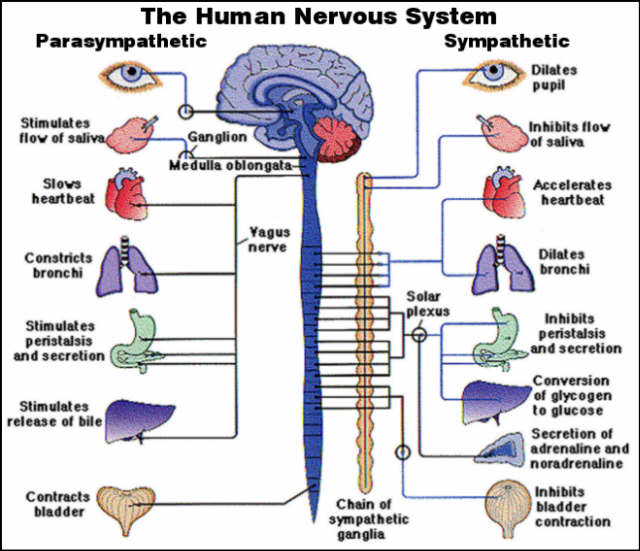
    During stressful events, our adrenal glands release adrenaline, a hormone which activates our body’s defense mechanisms causing our hearts to pound, blood pressure to rise, muscles to tense, and the pupils of our eyes to dilate. The Nervous System is the master control center in the body. It is designed to allow rapid internal communication by detecting and responding to constant changes inside and outside the body. None of our body systems (Digestive, Cardiovascular, Immune, Lymphatic.etc) are capable of functioning alone as they all work together to maintain homeostasis (balance). The Nervous System is the chief of all the systems and that is the exact reason why we need to take care of this important body system.

    Why we must reduce stress
    Reducing stress also reduces your risk for heart disease, the number one killer of American women, and certain types of cancer. Many women experience PMS and menopausal symptoms will find the severity of these symptoms improved dramatically, once reduced stress level is achieved. Untreated stress leads many people to depression, anxiety, headaches, and a host of other complaints, making reduction of stress important factor in improving your total health.

    So where do we start? 5 Stress-free Stress Busters

    Exercise


    Physical exercise is one of the most effective ways of relieving stress. It improves blood flow to the brain and causes the body to release endorphins. Even just 7 minutes of intense exercise can get these little guys going and having you feel more energized and mentally relaxed. Beauty FIT Beast is an excellent source for fresh, new exercises to surely get the blood pumping. 

    Keep a Journal


    Reflect on your day, your emotions, and your personal goals. Include everything that stresses you, so you can start to recognize patterns and take appropriate action. Writing is also a great way to relax and put things into perspective.

    Get Organized


    Set aside a place for bills, paperwork, and important documents. Store items you use most often in accessible places. I  purchased some baskets from the dollar store to keep these loose papers in and out of the way. Spending five minutes straightening your office, purse/brief case or main living area at the end or beginning of your day will not only make your work more productive but also bring your mind to a sense of clarity. Keep a long-range calendar and a short-range to-do list. Check off items as you finish them for a sense of accomplishment.

    Meditate


    Ai-Linn Chua Henderson, A Natural Healing Practitioner says, When we become aware of our thoughts, we are then able to see certain things about the way we make choices in our lives, or the way we react to things, and this awareness is powerful. Because this awareness gives us the power to change the thought patterns that hold us back, and allow us to consciously create new ways of thinking and patterning. Follow her easy meditation to help you de-stress, Meditation Made Easy: 10 Steps to finding your Inner Self. 

    and of course……

    Proper Nutrition

    This photograph belongs to Melissa Macchione. Unauthorized use is prohibited. 


    Eat breakfast within 1 hour of waking to break the fast will give your body the much needed glucose found in your food to give you energy. Lack of energy equals lack of motivation, attention and mood. Start off the day on the right foot. Try my Morning Glory Oatmeal which is packed with feel good ingredients such as whole grains, blueberries, nuts and seeds. 

    Small more frequent meals – You want to avoid drops in your blood sugar levels. Eating small more frequent meals, every 3-4 hours, will help control blood sugar levels resulting in an overall better mood. When drops in blood sugar levels happen we tend to become more on edge and depressed. Try some of My Favourite Stress Busting Snacks in between meals to avoid the icky lows. 

    Reduce or Eliminate Caffeine Intake – Avoid going for a coffee mid-afternoon for the increase in energy, instead go for a Stress Busting Snack. Caffeine stimulates the central nervous system. Heavy daily caffeine use (4 to 7 cups of coffee per day) can cause: insomnia, nervousness, restlessness, irritability, nausea or other gastrointestinal problems, fast or irregular heartbeat, muscle tremors, headaches and/or anxiety. If you are missing the caffeine go for a green tea. Yes, green tea contains caffeine however the benefits of green tea out weigh the negatives when compared to coffee.

    Eat Consciously to elaborate on yesterday’s post, Conscious Eating, here are a few tips to help you eat mindfully.

    1) When preparing your meal enjoy yourself. Put on your favourite music, have a clean and today work space, take pictures of your creations and have fun doing it!

    2) When sitting down the meal you just prepared with love really look at the food.Recite in your mind or out loud what it is you are about to eat.

    3) Eat slowly. As hungry as you may be and as delicious as the food is slow down! Twenty minutes is the time it should take to consume your meal. Tip: put your fork/spoon/hands down in-between bites.

    The information presented here is not intended to replace professional medical care when needed. Consult a qualified healthcare practitioner for disease diagnosis, therapy choice, medicine selection and dosage.   


    What's for Dinner? Italian Chicken in Envelopes, Quinoa Salad with Beans and Pralines Salad

    Italian Chicken in Envelopes
    Italian Chicken in Envelopes

    What you'll need:
    4 Skinless Boneless Chicken Breasts
    1 medium cooking Onion, chopped
    1 clove Garlic, minced
    1 large Tomato, chopped 
    2 stalks Celery, chopped
    1 tsp dried Oregano
    10 fresh Basil leaves, cut into ribbons
    4 Bay Leaves
    3 Tbsp Extra Virgin Olive Oil
     1/2 tsp Sea Salt
    1/2 tsp freshly Ground Black Pepper

    What to do:
    Cut 4 (10-inch) pieces of aluminum foil; grease with 1 Tbsp Extra Virgin Olive Oil
    Place Chicken Breast in center of each piece of foil.
    Combine: onion, garlic, tomatoes, celery, olive oil, oregano, basil, salt and pepper. Mix well. 
    Spoon mixture over each Chicken Breast.
    Add one Bay Leave to each envelope.
    Fold foil into neat sealed envelopes.
    Place on cookie sheet.


     Bake at 425F for 40 minutes
    Serves 4 (you can serve from envelopes!)

    Quinoa Salad with Beans

    Quinoa Salad with Beans

    What you'll need:
     1 cup Quinoa
    2 cups Water
    1/2 tsp Sea Salt
    1/2 tsp freshly Ground Black Pepper
    1 cup Green Beans, trimmed and cut into bite size pieces
     1 can Red Kidney Beans, rinsed and drained
     2 Green Onions, finely chopped
    1/2 English Cucumber, diced
    2 Tbsp fresh Italian Parsley, finely chopped
    1/4 cup Extra Virgin Olive Oil
    3 Tbsp. White Wine Vinegar
    3 Tbsp. fresh Lemon Juice

    How to cook Quinoa:
    In a saucepan bring 2 cups of water to a boil. Add 1 cup Quinoa, bring back to a boil, cover, cook over medium heat for 12 minutes or until Quinoa has absorbed all the water. Remove from heat, fluff with fork, cover and let stand for 15 minutes. Yields about 4 cups.

    The Salad:
    Steam Green Beans for 2 minutes. Soak in ice water bath and drain well. Set aside.
    Mix the rest of the ingredients in a large salad bowl or casserole dish with lid (I use this....no clean-up involved. Leftovers straight into refrigerator)
    Refrigerate salad for 1 hour before serving.
    Serves 4 (leftovers can be kept in refrigerator for 3 days! Hello, lunch!)


    Pralines Salad


    What you'll need:
    1 cup Stevia
    1 tsp Salt
    1 Tbsp Sweet Paprika
    1 tsp Cayenne Pepper
    1/2 tsp Cumin
    1/2 tsp Cinnamon
    1 Tbsp Sunflower Oil
    1 cup Whole Raw Pecans

    To make the Pralines:
    Combine: 1/2 cup of the sugar, salt, paprika, cayenne pepper, cumin and cinnamon in a medium-sized bowl. Set aside.
    Heat sunflower oil in a medium sized sauce pan over medium-high heat. Stir in pecans and remaining 1/2 cup sugar.
    Continue to saute, stirring frequently until the sugar has caramelized and the pecans turn golden brown.
    Remove from heat and toss the pecans in the spice mixture until completely covered. 
    Sift pecans with hand strainer.
    Turn onto baking sheet to cool.
    You can serve the nuts warm or store in an airtight container up to 2 weeks. 

    To make the Salad:
    Combine:
    8 cups combination of Leafy Green Lettuce, Kale, Spinach and Arugula
    1 cup sliced fresh Strawberries
    1 small Red Onion, finely sliced
    1/2 cup soft Goat Cheese, crumbled
    1 cup Pralines (see above recipe)
    Dressing:
    3 Tbsp Extra Virgin Olive Oil
    2 Tbsp Balsamic Vinegar
    1 Tbsp Honey or Agave Nectar
    Salt and Pepper to taste


    Supporting your Nervous System


    It seems like the last few weeks have been a blur. Searching for a home is stressful to say the least. I feel like I have been going through the daily motions of life and not stopping to "smell the roses" like I try so consciously to do. Being a mom, working full-time, taking care of my father and most recently a first time home owner is wearing me down. Before I have a nervous breakdown I need to take my own "Registered Holistic Nutritionist" advice and smell the freakin' roses before my Nervous System back fires on me.  Below is a handout I give to some of my "stressed out" clients.


    The Nervous System is the master control center in the body. It is designed to allow rapid internal communication by detecting and responding to constant changes inside and outside the body. None of our body systems (Digestive, Cardiovascular, Immune, Lymphatic.etc) are capable of functioning alone as they all work together to maintain homeostasis (balance). The Nervous System is the chief of all the systems.

    Here are some recommendations to support and keep your control center healthy.
     
    Reduce or eliminate caffeine. Caffeine stimulates the central nervous system. Heavy daily caffeine use (4 to 7 cups of coffee a day) can cause: insomnia, nervousness, restlessness, irritability, nausea or other gastrointestinal problems, fast or irregular heartbeat, muscle tremors, headaches and/or anxiety.

    Reduce or eliminate cigarette smoking. "Many smokers perceive smoking as a way to calm stress, when, in fact, what they're doing is satisfying nicotine cravings and withdrawal," says Rob Cunningham, senior policy analyst for the Canadian Cancer Society. "In many respects, smoking — or the delay in having a cigarette — is the cause of stress."


    Drink two liters of pure water daily. Avoid tap water and water softeners. Replace tea and coffee with herbal teas and restrict intake of alcohol. Alcohol decreases the function of the cerebellum. The cerebellum is responsible for muscle co-ordination, maintenance of balance and posture.


    Consider taking a high quality Vitamin B complex and a proper ratio of Calcium:Magnesium (facilitate nerve conductivity).


    Incorporate these potassium rich foods in your daily dietary regimen which support the adrenal glands: raw almonds, avocados, yams, lettuce, lentils, spinach, pineapple, strawberries, kale, bananas and brown rice.


    Incorporate foods rich in EFAs (Essential Fatty Acids) which are beneficial for hyperactivity in children and nervous system conditions such as, depression and "burn out", in adults. Some of my favourite EFAs sources are flax seed and salmon.


    Practice stress management: yoga, long walks (without your blackberry), shiatsu, massage (massage will also help with skeletal and muscular problems)....


     deep breathing meditation and spiritual readings.


    How To Meditate: A Step-by-Step Guide to the Art and Science of Meditation [ILLUSTRATED]Meditation For Dummies (Book and CD edition)Stages of MeditationThe Soul Of Healing MeditationsThe Meditation Bible: The Definitive Guide to Meditations for Every Purpose (... Bible)