Showing posts with label health. Show all posts


The Un-Diet: Say NO to Dieting in 2014


So you're on a diet, eh? Undoubtedly the most popular New Year's Resolution is to lose weight, meaning going on a diet. I hate diets and completely disagree with them. You could say I am an old fashioned Nutritionist when it comes to making changes in your life. If you've read yesterday's post, New Year, New You - 5 Tips to Help you Stick to your New Year's Resolution you'll see that I am a believer and advocate on finding balance in your life. For the sake of this blog post I will be using the word diet, as in what you eat. If your New Year's Resolution is to lose weight then please consider not going on a diet and instead making a lifestyle change. Concentrate on getting healthy and naturally the excess weight will come off.  Please take it from me when I say dieting does not work! Have you heard the phrase, easy come, easy go? It also applies to dieting. Drastically cutting calories will give you weight loss but as easy as it came off the easier you'll pack it on, and some. So say no to dieting, will ya? No more grapefruit diets, master cleanses, cabbage soup diets and all that other garbage. Just eat, and eat well. Here's how...

Eat Whole Foods – This means eat foods that are closet to their natural state or closet too natural state. For instance, eat a baked sweet potato as opposed to a bag of potato chips, which has been processed, striped of its nutrients and saturated in oil and salt. Enjoy a crisp apple as opposed to packaged applesauce which in most cases contains refined sugar and preservatives. Choose sprouted or multi-grain breads over refined wheat where the bran and germ (the reservoir for vitamins, minerals and essential fatty acids) have been removed.


Choose Certified Organic – The term organic simple means foods that have not been exposed to pesticides, herbicides, fungicides, hormones, fertilizers and other harmful chemicals during their growing stages. More organic in the diet means less toxic material entering the body, therefore less work your body has to do to get rid of it and less damage to your body. Your body is an organic being and needs organic, natural foods to be well. Certain organic foods can be pricey and others are quite comparable to non-organic. Find a ratio of organic and non-organic foods in your kitchen that fit your household budget. Fact: If you are healthy and eating all fresh, organic foods you should have no body odor. Body odor is a sign of toxicity. See: Spring Cleaning: Your Body for more information on toxicity in the body.

Choose Foods that are Dense in their Nutrients – When making food choices concentrate on picking foods that are dense in their nutrients. For example, eat oranges for their vitamin C and Kale for its calcium. Also, go for more nutritious foods; romaine lettuce over iceberg lettuce, yams over white potatoes, brown rice over white rice and lean cut meats over organ meats and pork.

Moderation, Variety and Rotation – We are all human and sometimes you just want to go out and have a burger and a beer with your bff. Let yourself have a cheat day and don’t feel guilty about it. A cheat day is an example of having moderation in your diet. Remember this: Everything in moderation, even moderation. Don't be too laid back, you must own your lifestyle change to stick with it. Variety is just as important. A good rule of thumb is to buy brightly coloured fruits and vegetables to ensure you are getting a variety of different vitamins and minerals in your diet. Remember this: Similar Colours = Similar Nutrients. Lastly, make sure to rotate your foods every day. Eating the same foods day after day can result to food intolerances.

Drink Water – Drink fresh spring or distilled water everyday. Your body is 55% body after all so it just makes sense! How much you ask? Divide your body weight by 2 and then divide by 8 to get the number of 8oz glasses of water you should drink per day.


Balance – Find a diet that is realistic and complements your lifestyle that way it becomes a part of your life and not just another fad. Balance in nutrients, food groups, flavours and colours, prevents boredom and nutritional imbalances. For more information on realistic goal setting read: New Year, New You - 5 Tips to Help you Stick to your New Year's Resolution 

Pledge that 2014 will be the year you finally say NO to ridiculous dieting. Eat, eat well and be well. Don't make it complicated because it's not. 


You may also find these articles I wrote helpful:
Tips on Healthy Snacks
Sports Nutrition: Pre-Workout
Sports Nutrition: Post-Workout
Top 5 Healthy Sugar Substitutes 
5 Stress-free Stress Busters


The information presented here is not intended to replace professional medical care when needed. Consult a qualified healthcare practitioner for disease diagnosis, therapy choice, medicine selection and dosage. 

Originally posted on January 2, 2012. 


Whole Foods Workshop: Apple Picking, Cooking Class & Lunch


Join me for a beautiful day of apple picking and wholefoods workshop which includes a three course vegan lunch at Country Apple Orchard Inc.

Date: Saturday October 22, 2011.

Time: Apple Picking from 10am- 11am; Workshop is from 11am -2pm 

Cost: The cost for the workshop is $45 per person + pay for what you pick.

Location: Country Apple Orchard Farm Inc. 3105 16th Sideroad, King City, ON L7B 1A3 · 
Phone (905) 833-3434


The perfect Fall celebration, bring the family!


Enjoy a peaceful, relaxing country day on the orchard with manicured grassy rows of "dwarf" apple trees. With approximately 5000 trees, that have been producing apples for over 27 years.


Country Apple Orchard farm is minutes off highway 400, north of King Rd. They are a little north of Toronto and surrounding areas which is close to the city and very easy to get to, allowing young and old a great way to spend a day in the country.


Apple varieties that are available to be picked by mid to late August are Tydeman Red, which is our sweet & juicy summer apple followed by the children's favorites; Macintosh and Courtland start the harvest season. Also grown are Spartans, Red Delicious, Jonagold, Mutsu/Crispin, Russets, and Northern Spy, the favorite in apple pies.

Available for purchase at our apple barn are freshly baked apple pies, fresh sweet pasteurized 100% apple cider, local unpasteurized honey, pumpkins and other local farm fresh seasonal produce.


I hope you can join me!
Space is limited - Call or e-mail today to reserve your spot! 
Melissa
phone/ (416)272-6006
e-mail/ melissa (dot) macchione@bell (dot) net


My Garden: Fresh Vegetables, their Health Benefits and Zucchini Flower Patties!

Grape Tomatoes
I planted my garden later than usual this year but fortunately we are finally getting some sweet swiss chard and various types of tomatoes, crunchy cucumbers, hot banana peppers and my favourite of them all, zucchini flowers. I've been taking pictures on my blackberry as my little garden grows. Below are some pictures I took recently of my little beauties.

This wouldn't be a Nutritionist's blog unless I wrote the health benefits of each vegetable and herb as well include a quick, easy and delicious recipe. This recipe was my mother's, most of "my" recipes were hers. Zucchini Flower Patties are the perfect summer appetizer. I serve them while guests are waiting for the main course. That usually is BBQ in the summer months.They pair well with a chardonnay and a dollop of  tzatziki sauce. When I made these over the weekend I served them with a fresh tomato salad (from my garden, of course) drizzled with extra virgin olive oil, a sweet balsamic vinegar and a little sea salt and freshly ground pepper.


                                                              Welcome to my Garden


Pickling Cucumber

Cucumber is the best natural diuretic known, secreting and promoting the flow of urine. It helps in kidney and urinary bladder disease, liver disease and pancreatic disease. The potassium content of cucumber makes it highly useful for conditions of high and low blood pressure. Cucumber contains erepsin, the enzyme that helps to digest protein.

Hungarian Wax Peppers

All peppers are rich in vitamins A, C and K, Antioxidant vitamins A and C help to prevent cell damage, cancer, aging (reducing inflammation), arthritis, asthma and directly support your immune system. Vitamin K promotes proper blood clotting, strengthens bones and protects cells from oxidative damage.
                                                                                                                                                                                                                                               
Basil
                                                                                                                                                                                                                                     Flavonoids exist in basil, which help to protect cells and chromosomes from damage. Studies have shown that two of these flavonoids in particular, orientin and vicenin, are useful in protecting cell structures and chromosomes from damage by radiation and oxygen.


Swiss Chard


Swiss chard contains, get this, 800% of your daily vitamin K intake. Wowza! According to whfoods.com there's six to eight times the recommended daily amount in just one cup of boiled chard. As mentioned above, vitamin K helps you maintain strong and healthy bones. Swiss Chard also contains high amounts of the antioxidant vitamins, A and C. 


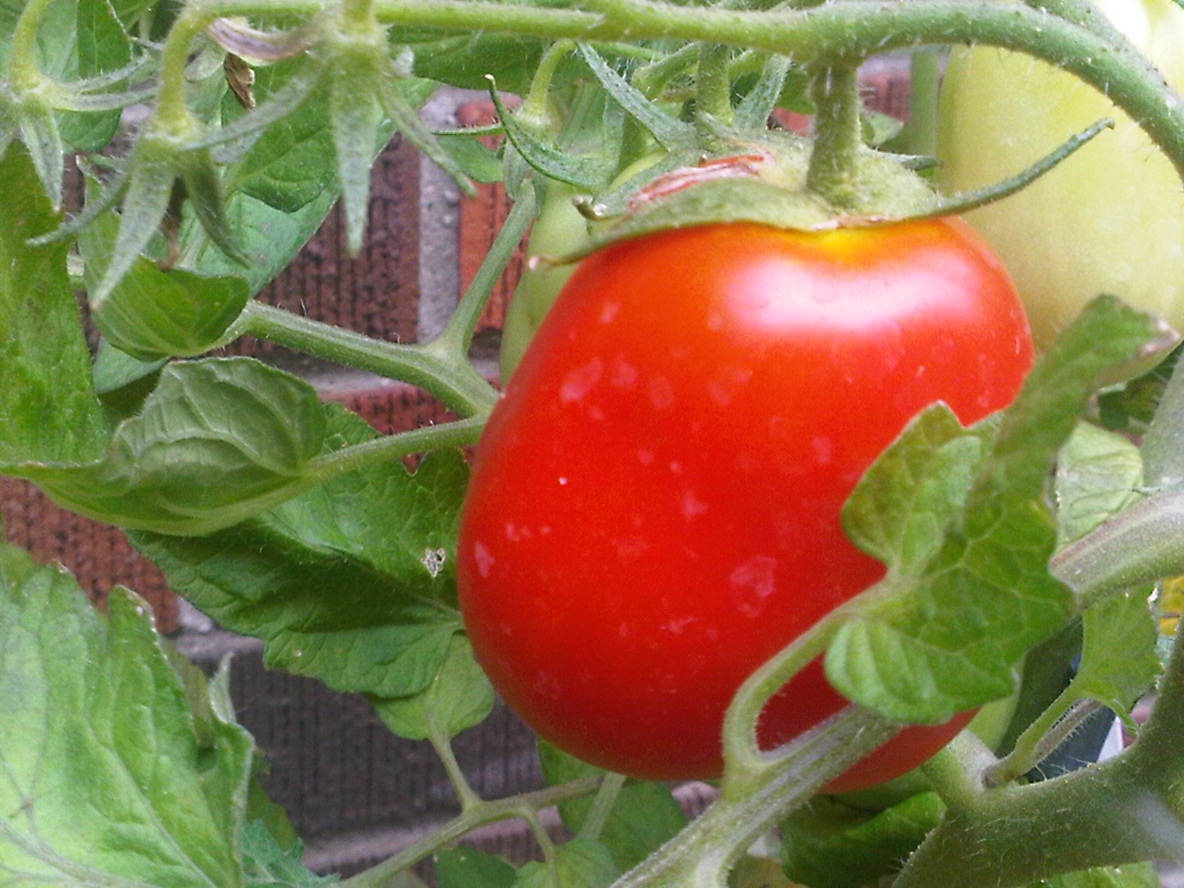
Roma Tomatoes

One of the most well known tomato eating benefit is its' Lycopene content. Lycopene is a vital anti-oxidant that helps in the fight against cancerous cell formation as well as other kinds of health complications and diseases.

Free radicals in the body can be flushed out with high levels of Lycopene, and the tomato is so amply loaded with this vital anti-oxidant that it actually derives its rich redness from the nutrient. 

Lovely Zucchini Flowers from my garden. LOVE!


                                                             Zucchini Flower Patties

What you need: 

Zucchini flowers, 1 tbsp chopped Parsley, 1 egg (for every 4 zucchini flowers), Extra Virgin Olive Oil, Unbleached Spelt Flour (1/4 cup for every 4 zucchini flowers) , Sea Salt and Ground Black Pepper to taste


What to do:

Remove stem and pistil of flowers, rinse in cold water and set aside.

Whisk egg. Add salt, pepper and chopped parsley. Slowly stir in flour.

Squeeze excess water from flowers and add to paste.
 

Place flower (which is now covered in paste) in medium-hot frying pan with 1 tbsp Extra Virgin Olive Oil. Fry til golden brown on each side. Add more oil if necessary.


Place on paper towel, sprinkle with sea salt and serve immediately (they are best served hot!)


The photographs in this post belong to Melissa Macchione. Unauthorized use is prohibited. If you have any questions please contact the administrator.
  
The information presented here is not intended to replace professional medical care when needed. Consult a qualified healthcare practitioner for disease diagnosis, therapy choice, medicine selection and dosage.


Food For Health, Beauty and Beyond

Health and beauty are inextricably linked. Eating certain foods can dramatically improve the appearance of our skin, hair, nails and even our eyes.
Beauty is dependent on the overall health of your body – a balance of the body, mind and spirit.

In order for our outer beauty to look radiant we need to make healthy lifestyle choices. Adequate rest, clean water and daily exercise; high quality natural cleansers and lotions; laughter and love; stress management, and eating foods that nourish your body from the inside out all work together making us look and feel vibrant, youthful and radiant.

You are what you eat

“You are what you eat” is such a profound saying that nearly every culture and civilization throughout history has known. What we eat now has dramatically changed from what our great grandparents ate.

Nowadays, the typical Western diet is largely based around meat, dairy, sugars, alcohol, saturated fats and caffeine. Because of these poor dietary choices our body’s pH level has become unbalanced. When the body’s pH level is too acidic almost any area of our bodies can be negatively affected creating results such as cancer, heart disease, obesity, weight problems, allergies, fatigue, acne, dry skin, weak nails, dry hair, itchy skin and premature aging.


Ugly foods

Acidity in the body is the underlying cause of all aliments that negatively affect beauty. Acidity creates inflammation and puffiness. The only way to correct this imbalance is to eat a ratio of foods that are more alkaline than acidic and to drink plenty of clean, fresh and alkaline water. This is referred to as, the Alkalarian approach.

What are the symptoms of excess acidity?
  • Low energy, chronic fatigue
  • Excess mucous production
  • Nasal congestion
  • Frequent colds, flus and infections
  • Nervousness, stressed, irritable, anxious, agitated, anger, short tempered
  • Weak nails, dry hair, dry skin, acne, itchy skin
  • Formation of cysts, such as ovarian cysts, polycystic ovaries, benign breast cysts (fibrocystic breasts)
  • Stress headaches
  • Joint pain or arthritis
  • Muscle pain
  • Hives
  • Leg cramps and spasms
  • Gastritis
  • Addictions to coffee, cigarettes, recreational drugs.
  • Chronic negative thought patterns
To find out what your pH level is, look for a pH paper kit in your local health food store. The test is relatively straightforward and will help you determine your acid/alkaline balance.

Acidifying Foods – the lower the acid the better.

Dairy and Dairy substitutes
Slightly acidic -  cow’s milk, rice milk, soymilk.
Highly acidic – cheese (including: cottage cheese, hard cheese, aged cheese and goat cheese), ice cream, soy cheese, whey protein powder.

Animal Meat and products
Moderate acid – wild fish
Highly acidic – beef, chicken, duck, eggs, farmed fish, lobster, organ meat, pork, seafood, turkey veal, squid, pheasant, venison.

Grains
Slightly acidic – amaranth, millet.
Moderate acid – oats, rice (brown and white rice), rye, wheat.
Highly acidic – barley, corn, rye.

Legumes
Slightly acidic – black beans, chickpeas, kidney beans.

Vegetables
Highly acidic – mushrooms, potatoes.

Fruits
Slightly acidic – cantaloupe, fresh dates, nectarines.
Moderate acid – apples, apricot, banana, all berries, fresh figs, grapes, mango, papaya, orange, peach, pineapple, tangerine, watermelon.
Highly acidic – dried fruit

Nuts, seeds oils
Slightly acidic – brazil nuts, flaxseeds, hazelnuts, pecans, sunflower seeds and oil, grapeseed oil.
Moderate acid – butter, ghee, corn oil, margarine, walnuts.
Highly acidic – cashews, peanuts, pistachios.

Condiments
Moderate acid – ketchup, mayonnaise, table salt.
Highly acidic – jam, mustard, soy sauce, vinegar, white sugar, aspartame, molasses, sugar cane, barley malt syrup, honey, maple syrup, brown rice syrup, yeast.

Beautiful foods

“There is absolutely no nutrient, no protein, no vitamin, no mineral, that we know of, that can’t be obtained from plant-based foods.” Michael Klaper, M.D., author, lecturer

An alkaline diet is composed of approximately 75-80% alkaline foods and 20-25% acid foods. The foods we eat directly have an effect on our blood pH levels. The ideal blood pH range is from 7.35 to 7.4. Other tissues in our body are generally more acidic, such as our muscles and skin with an average pH of 6.8. Ideally in a perfect world and perfect body, when added together (blood, tissues, muscles and skin) we should be around a 7.0 pH.

Remember too much of a good thing can be bad.

What are symptoms of being too alkaline?
  • Laziness
  • Spaciness (“Flighty”)
  • Excessively passive
  • Unmotivated
  • Low body temperature (always cold)
Alkaline Foods – the higher alkaline the better

Vegetables
High Alkaline – wheat grass, barley greens, alfalfa sprouts, broccoli sprouts, cucumber, kale, parsley, sea vegetables.
Moderate Alkaline – avocado, arugula, beets, bell peppers, broccoli, cabbage, celery, collard greens, garlic, ginger, onion, spinach, green beans, lettuce, and tomato.
Slightly Alkaline – artichoke, asparagus, brussels sprouts, carrot, cauliflower, leeks, peas, rhubarb, watercress, zucchini.

Fruit
Slightly Alkaline – coconut, grapefruit, lemon, lime.

Legumes
Moderate Alkaline – lima beans, soy beans, white beans.
Slightly Alkaline – lentils, tofu.

Nuts, seeds, oils
High Alkaline – pumpkin seeds
Slightly Alkaline – almonds, sesame seeds, borage oil, coconut oil, cod liver oil, evening primrose oil, fish oil, flaxseed oil, olive oil.

Grains
Moderate Alkaline – buckwheat, quinoa, spelt.

Dairy
Slightly Alkaline – goat milk

Herbs and Spices
Most herbs and spices are somewhat alkaline.
Moderate alkaline – cayenne, red chili pepper, stevia, sea salt.


Foods for Beauty Grocery List

Strawberries: help protect our skins collagen structures. Collagen is what keeps our skin firm. Wrinkles form when our collagen levels start depleting.


Blueberries: help keep the skins elasticity, strengthen the gums, and contribute to the health of our eyes.


Salmon: promotes soft smooth skin, free from dry itchy patches. Also contains DHA-Omega-3 that makes skin and hair healthier.


Avocados: contain folate which helps blood formation. This is essential for cell regeneration.


Broccoli: contains a compound called sulforaphane that protects our bodies cells from injury.


Cucumber: A great source of essential vitamins and minerals necessary for increasing collagen production.


Dark leafy greens: are loaded with vitamins and minerals like beta-carotene, vitamin C, folate, iron, magnesium, phytochemicals, and antioxidants. Antioxidants combate free radicals. Free radicals alter our DNA, which results in aging and illness.


Flax, grapeseed, walnut, seaweed, spirulina, watercress: high in zinc which is vital for the health of our skin. Also known to help clear up acne.

Green Tea: has polyphenols and free oxygen radical scavengers that thicken the epidermis (skin’s outer layer).


Grapeseed oil: contains trace elements of selenium, zinc, copper, and iron. Also a unique source for oligomeric procyanidine, which is known to improve our skins elasticity.

Millet: high in silica, which is good for our skin, hair, and nails.


Oats: high in iron, manganese, phosphorous, calcium, vitamins B and E, and silicon. ( crucial for healthy skin by maintaining collagen levels).

Pomegranate: thickens the epidermis, prolongs fibroblast to produce more collagen and elastin which accelerate wound healing. Very good source of polyphenol antioxidants.  These antioxidants help neutralize free radicals that can damage the skin.


Foods for Beauty Kale Avocado Salad

What you'll need:
2 ripe Avocados, cubed
1 head curly Kale, cut into 1-inch ribbons
1 ripe Tomato, diced
1 small Red Onion, diced
Juice from Half of a lemon
1 tbsp Extra Virgin Olive Oil
1 tsp Agave Nectar
Sea Salt and Freshly Ground Pepper to taste

How to make the salad:
So easy. Here it goes....
Place all vegetables in large salad bowl.
Add lemon juice, olive oil, salt and pepper.
Toss.
Drizzle with agave nectar.
Serve.
Eat!



What's for Dinner? Italian Chicken in Envelopes, Quinoa Salad with Beans and Pralines Salad

Italian Chicken in Envelopes

What you'll need:
4 Skinless Boneless Chicken Breasts
1 medium cooking Onion, chopped
1 clove Garlic, minced
1 large Tomato, chopped 
2 stalks Celery, chopped
1 tsp dried Oregano
10 fresh Basil leaves, cut into ribbons
4 Bay Leaves
3 Tbsp Extra Virgin Olive Oil
 1/2 tsp Sea Salt
1/2 tsp freshly Ground Black Pepper

What to do:
Cut 4 (10-inch) pieces of aluminum foil; grease with 1 Tbsp Extra Virgin Olive Oil
Place Chicken Breast in center of each piece of foil.
Combine: onion, garlic, tomatoes, celery, olive oil, oregano, basil, salt and pepper. Mix well. 
Spoon mixture over each Chicken Breast.
Add one Bay Leave to each envelope.
Fold foil into neat sealed envelopes.
Place on cookie sheet.


 Bake at 425F for 40 minutes
Serves 4 (you can serve from envelopes!)

Quinoa Salad with Beans

Quinoa Salad with Beans

What you'll need:
 1 cup Quinoa
2 cups Water
1/2 tsp Sea Salt
1/2 tsp freshly Ground Black Pepper
1 cup Green Beans, trimmed and cut into bite size pieces
 1 can Red Kidney Beans, rinsed and drained
 2 Green Onions, finely chopped
1/2 English Cucumber, diced
2 Tbsp fresh Italian Parsley, finely chopped
1/4 cup Extra Virgin Olive Oil
3 Tbsp. White Wine Vinegar
3 Tbsp. fresh Lemon Juice

How to cook Quinoa:
In a saucepan bring 2 cups of water to a boil. Add 1 cup Quinoa, bring back to a boil, cover, cook over medium heat for 12 minutes or until Quinoa has absorbed all the water. Remove from heat, fluff with fork, cover and let stand for 15 minutes. Yields about 4 cups.

The Salad:
Steam Green Beans for 2 minutes. Soak in ice water bath and drain well. Set aside.
Mix the rest of the ingredients in a large salad bowl or casserole dish with lid (I use this....no clean-up involved. Leftovers straight into refrigerator)
Refrigerate salad for 1 hour before serving.
Serves 4 (leftovers can be kept in refrigerator for 3 days! Hello, lunch!)


Pralines Salad


What you'll need:
1 cup Stevia
1 tsp Salt
1 Tbsp Sweet Paprika
1 tsp Cayenne Pepper
1/2 tsp Cumin
1/2 tsp Cinnamon
1 Tbsp Sunflower Oil
1 cup Whole Raw Pecans

To make the Pralines:
Combine: 1/2 cup of the sugar, salt, paprika, cayenne pepper, cumin and cinnamon in a medium-sized bowl. Set aside.
Heat sunflower oil in a medium sized sauce pan over medium-high heat. Stir in pecans and remaining 1/2 cup sugar.
Continue to saute, stirring frequently until the sugar has caramelized and the pecans turn golden brown.
Remove from heat and toss the pecans in the spice mixture until completely covered. 
Sift pecans with hand strainer.
Turn onto baking sheet to cool.
You can serve the nuts warm or store in an airtight container up to 2 weeks. 

To make the Salad:
Combine:
8 cups combination of Leafy Green Lettuce, Kale, Spinach and Arugula
1 cup sliced fresh Strawberries
1 small Red Onion, finely sliced
1/2 cup soft Goat Cheese, crumbled
1 cup Pralines (see above recipe)
Dressing:
3 Tbsp Extra Virgin Olive Oil
2 Tbsp Balsamic Vinegar
1 Tbsp Honey or Agave Nectar
Salt and Pepper to taste


Spring Cleaning: Your Body


Toxicity is of much greater concern in the twentieth century than ever before. Our food contains more refined sugar and salt. It goes through extensive refining and processing being robbed of its natural, nutritious and healing properties. Our water and air are polluted. Radiation and nuclear power surrounds us in tidal waves; we can’t see them but we know they are there. Headaches, muscle or joint pain are “healed” by various stimulants and sedatives. We take all these toxins in on a daily bases without even really noticing it until our body cries for help.

Toxicity occurs in our body when we take in more than we can utilize and eliminate. The balance in our body (homeostasis) is disturbed when we feed ourselves more than we can utilize or partake of specific substances that are toxic. A toxin may produce an immediate or rapid onset of symptoms (depending on the dosage, potency or frequency of the toxin), it may cause some long-term negative effect. Such as cigarette smoke usage overtime can lead to lung cancer and heart disease. Cancer and cardiovascular disease are two of the main toxicity diseases we are seeing more of in our time. Arthritis, allergies, digestive disorders, headaches, fatigue, frequent colds and obesity are other common dis-eases in the body we see more and more of, which can all be related to toxicity.

Where do Toxins come from?
There are two types of toxins, Exogenous and Endogenous.

EXOGENOUS: things we are taking in from the outside which enter through the mouth, skin and the lungs.
i.e – Refined and processed foods, pesticides, food additives, preservatives, tap water, household cleaners, environmental pollution, cosmetics/creams/soaps/perfumes, plastics, air fresheners, microwave ovens, Teflon coated cookware and radiation.

ENDOGENOUS: things we are producing through metabolism.
i.e-by-products of digestion, fermented undigested foods from overeating, fungal and parasite waste products, cellular wastes and acidity (acid-forming foods, negative thoughts and emotions).

STRESS is a toxin – Immunity becomes depressed due to Internal (Endogenous) and External (Exogenous).

TOXINS are stored in:
• Fat
• Liver
• Gall Bladder
• GI Tract
• Kidneys
• Blood
• Lungs
• Lymph

Signs and Symptoms of Toxicity
• Poor skin quality (acne, eczema, psoriasis, dryness)
• Dark or yellow circles/bags under the eyes
• Headaches (sinus, tension, migraine)
• Allergies (sinus inflammation, congestion, itchy eyes and skin)
• Congestion
• Aches and pains (arthritis, gout, stiff muscles and joints, low back pains)
• Female Cycle Disturbances (painful periods, PMS, menopausal symptoms, irregular periods, cysts)
• Unstable emotions (grumpiness, anxiety, depression, mood swings)
• Low sex drive
• Negative mind patterns (overactive mind, negative thoughts, difficulty concentrating)
• Fatigue/Insomnia
• Frequent colds/Respiratory problems(coughing, wheezing, asthma, bronchitis, emphysema, pneumonia)
• Constipation/Diarrhea/Hemorrhoids
• Poor digestion (bloating, acid reflux, gas, abdominal pain, nausea)
• Diseases of the Digestive System (Crohn’s, Colitis, Irritable Bowel Syndrome)
• Infections (bacteria, viruses, fungus, parasites, worms)
• Weight problems/Eating disorders
• Addictions (Drugs, Alcohol, Coffee, Sugar)

What can we do about it?
You’ve just read the Signs and Symptoms of Toxicity and you have one or maybe a handful on the list. So what can you do about it? Detoxify.

What is Detoxification?
Detoxification is the process of clearing toxins from the body or neutralizing them, and clearing excess mucus and congestion. You should not detoxify if you are Pregnant (during and while breast-feeding), have Diabetes, Hypoglycemia or Cancer. Results can be fatal. You should always seek the guidance of a qualified Holistic Nutritionist when attempting to detoxify.

Holistic Nutritionists help their clients by analyzing their current health status and finding ways to improve areas of imbalances through diet and lifestyle changes. They recognize the connection between the individual’s biochemical, mental, spiritual and environmental states, and how each directly affects their health. Since no two people have the same body chemistry, the approach to each individual is always unique. Different people need different things. What is lacking in one person may not be lacking in another. It all depends on your particular body chemistry. Holistic Nutritionists work together with their clients by educating them and giving them the tools to achieve and maintain a lifestyle that is balanced, fulfilling, nourished and whole.

A few tips that apply to most people who are currently eating an average North American diet.
• Avoid Congesting foods (meat, bad fats, refined flours, refined sugar, dairy)
• Eat a diet rich in non-glutenous whole grains, fresh fruits and vegetables, fresh pressed juice, fresh spring water, raw nuts and seeds.
• Replace animal products (meat, poultry, dairy, fish and eggs) with alternative protein sources such as legumes, grains, greens, sprouts, nuts and seeds.
• Eliminate caffeine, alcohol, recreational drugs and tobacco.
• Eat in a calm and relaxed state
• Chew food thoroughly
• Keep meals simple and avoid overeating
• Manage stress

The information presented here is not intended to replace professional medical care when needed. Consult a qualified healthcare practitioner for disease diagnosis, therapy choice, medicine selection and dosage.