Showing posts with label Healthy Lifestyle. Show all posts


Earth Day 2012: 6 Easy Ways to Improve your Diet and the Environment


Earth Day is a week away and in it's
honour and in appreciation to our bodies here are 6 easy ways to improve your diet and the environment.

We all know that natural nutrition is essential in preventing disease and bringing our bodies to a place of balance. Little tweaks in your current diet can make all the difference in the world to your health.

But did you know that these changes to what you put on your plate can have an impact on the environment?

Follow these 6 easy tips and enjoy your ride to optimum health and a greener earth through natural nutrition.


Eat Whole Foods


This means eat foods that are closet to their natural state or closet too nature. For instance, eat a baked sweet potato as opposed to a bag of potato chips, which has been processed, striped of its nutrients and saturated in oil and salt. Choose sprouted or multi-grain breads over refined wheat where the bran and germ (the reservoir for vitamins, minerals and essential fatty acids) have been removed. Try This: Close your eyes and imagine what a “whole food” looks like. Does a cereal box with a picture of a toucan come to your mind? (If so, you definitely need to continue reading) Or does the words “whole food” bring a picture of freshly harvested fruits, vegetables and whole grains?

Most “food” products, if not all, that come neatly packaged in colourful boxes and plastics have been made in a factory where pollutants are being pumped into our air and waste is being spilled into our oceans. Whole foods do great things for your body and even greater things for our earth.


Choose Local and Certified Organic


The term ‘organic’ simple means foods that have not been exposed to pesticides, herbicides, fungicides, hormones, fertilizers and other harmful chemicals during their growing stages. More organic food in the diet means less toxins in our soil, air and water and less toxic material entering the body, therefore less work your body has to do to get rid of it and less damage to your body.

Choosing local reduces carbon emissions from planes, trains and automobiles and supports your local farmers. When these non-local foods ride in trucks for a few days they lose some of their nutritional quality and taste. You should also keep in mind that local produce for instance is harvested at its peak whereas non-local is picked when it’s not even fully ripe. This ensures the produce will not rot on its way to the supermarket.

If you’ve ever eaten a tree-ripened peach I don’t need to tell you how it bursts with flavour and juices over the truck-ripened peach which is dry and bland. Ideally you want to eat food that is both organic and local.

Choose foods that are dense in their nutrients


When making food choices concentrate on picking foods that are dense in their nutrients. For example, eat oranges for their vitamin C and Kale for its calcium. Also, go for more nutritious foods; romaine lettuce over iceberg lettuce, yams over white potatoes, brown rice over white rice and lean cut meats over organ meats and pork. A package of frozen french fries is not dense in its nutrients because of the chemicals, fats and salt added to them.

Making your own homemade French fries reduces waste in the landfills and air pollutants spewed from the factories. And of course, they will taste a million times better and will be so much healthier than the packaged kind.


Moderation, Variety and Rotation

We are all human and sometimes you just want to go out for a burger and a beer with your bff. Let yourself have a cheat day and don’t feel guilty about it either. A ‘cheat day’ is an example of having moderation in your diet. But remember a ‘cheat day’ meal is not an ‘everyday meal.’

A Smithsonian study estimates that the need for grazing land and grain feed leads to the destruction of a land area equivalent to seven football fields in the Amazon basin every single minute. This means that if you eat a hamburger from a cow raised in South America, you’re meal has contributed to 55 square feet of rain forest destruction. (1) Still want that Baconator?

add variety to your plate

A good rule of thumb is to buy brightly coloured fruits and vegetables to ensure you are getting a variety of different vitamins and minerals in your diet. (similar colours =s imilar nutrients).
Lastly, make sure to rotate your foods every day. Eating the same foods day after day can result to food intolerances.

Drink Water


Drink fresh spring or distilled water every day.  Divide your body weight by 2 and then divide by 8 to get the number of 8oz glasses of water you should drink per day. Your body needs water to live, detoxify, metabolize fat, transports nutrients and oxygen to cells and moisturize and protect your organs.

Soda pop and so-called nutritious boxed juices come in a variety of plastic, tin and tetra materials which overflow our landfills. Substituting these non-foods with clean drinking water will help reduce landfill waste. Be sure to invest in a glass or stainless steel water bottle to reduce plastic bottle waste in the landfills.


I like: DAVIDs TEA Noble Glass Travel Thermos as it's not only for your loose leaf tea but can also hold your water, smoothies and post-workout shakes.


Say NO to GMO

Genetically Modified Organism (GMOs) and Genetically Engineered Microorganism (GEM) refer to a living organism that has been genetically altered using molecular genetics techniques such as gene cloning and protein engineering, making them more stable and resistant to drought, disease and pesticides. Studies have shown that the B.T. gene used in the GMO crops caused death in organisms such as the monarch butterflies (1).

An article published in Lancet examined the effects of GMO potatoes on the digestive tract in rats (2)(3) This study claimed that there were significant differences in the intestines of rats fed GMO potatoes and rats fed unmodified potatoes which led to pre-mature death. “Would you like to super-size your fries?” Not unless they’re Certified Organic!


On Earth Day 2012 make an effort to find a diet that has balance in nutrients, food groups, flavours and colours. A varied diet will prevent boredom and nutritional imbalances. Be sure to keep it realistic and complementary to your lifestyle that way it becomes a part of your life and not just another ‘fad.’

By incorporating even one of the 6 tips you will not only be nurturing your body but also making a positive difference in preserving our beautiful precious earth. Remember, we only have one Earth and once it’s gone it’s never coming back.

(1) Smithsonian Institution, “Smithsonian Researchers Show Amazonian Deforestation Accelerating,” Science Daily Online, 15 Jan. 2002.
(2) Transgenic pollen harms monarch larvae (Nature, Vol 399, No 6733, p 214, May 1999)
(3)Effect of diets containing genetically modified potatoes expressing Galanthus nivalis lectin on rat small intestine (Lancet, Vol 354, No 9187, pp 1353-1354, Oct 1999)
(4)Safety of genetically modified food questioned: Interview with gene scientist, Dr Arpad Pusztai(http://www.wsws.org/articles/1999/jun1999/gmo-j03.shtml )
For more on GMOs visit: http://www.saynotogmos.org/scientists_speak.htm

Some of the photos in this post belong to Melissa Macchione.
Unauthorized use is prohibited. If you have any questions please contact the administrator.


Top 5 Nutrition Myths


Here are the most common nutritional myths I am asked on a daily bases. Let’s clear it up once and for all, shall we?
Myth #1: All fats are bad.  

We all need fat in our diets as they help us absorb certain nutrients.  

Fats make up an important part of every cell membrane in our body and help with proper nerve function, among other things.  

Some fats are good for us and of course some are bad for our health. The key is to replace bad fats (saturated, hydrogenated and trans) with good fats (mono- and polyunsaturated).  

Good fats include: Olive oil, flax oil, fatty fish like salmon and sardines, avocados, raw nuts and seeds, natural nut butters, legumes, leafy green vegetables and lean cuts of meat.  

25 to 30 percent of your daily diet should come from healthy fats.

Myth #2: Avoid carbohydrates to lose weight.
 
Severely limiting carbohydrates will result in the loss of muscle and water along with only a small amount of fat.  

It is important to limit the amount of carbohydrates in your diet that come from simple carbohydrates (refined flour and sugar).  

Cutting carbohydrates out completely deprives your body from essential nutrients found in wholesome carbohydrates such as fruits, vegetables, legumes and whole grains. These are called, complex carbohydrates.  

Allow 45 to 50 percent of your diet to come from complex carbohydrate sources (half of those from vegetables). Good fat should make up 25 to 30 percent of your daily diet, and 15 percent to 20 percent from lean animal and plant protein.


Myth #3: To lose weight you must follow a very low-calorie diet.
 
Eating too few calories puts your body in starvation mode. This actually does the opposite of what you are trying to achieve by slowing down the rate at which you burn calories.  

A better approach is to eat smaller, more frequent meals and snacks.  

A slower, more gradual weight loss will lead to loss of body fat without risking loss of too much muscle tissue and in the long run is easier to manage.  

Aim for a healthy weight loss of 1-2 pounds a week.  

Try cutting your total daily calories by just 500kcal a day for a 1-2 pounds loss per week.  

To maximize fat loss and help keep your blood sugar levels stable and metabolism operating at optimum speed aim to eat every 3-4 hours.  

The more muscle mass you have, the faster your metabolism works and the more fat you will burn.  Therefore incorporate weight training into your exercise regime along with a healthy balanced diet.


Myth #4: Eating eggs raises your cholesterol levels

Not necessarily. Yes, eggs are high in cholesterol, but the link between naturally occurring cholesterol and your cholesterol levels isn't clear-cut.     

The liver produces 80 per cent of the cholesterol that's in your body. The rest comes from the food you eat, mainly from foods high in saturated fat and trans fat (deep fried foods, pastries, chips, JUNK!).


Myth #5: Only eat when you're hungry

Your body works best when it's receiving a steady supply of fuel. The fuel in this case is food. 

Eating regularly helps your body regulate blood-sugar levels and keeps your body burning calories instead of hoarding them and saving them as fat.      

If you go long periods without food your blood sugar levels fall, causing you to crave a quick sugar fix. Your body wants glucose but more than often people will translate that to needing sugar, as in sweets. Feed your body something nutritious. It will give you the spike of energy it craves and will keep you fuller for longer.

Do you have a nutritional myth you would like cleared up? Leave it below and I will answer it for you!

The information presented here is not intended to replace professional medical care when needed. Consult a qualified healthcare practitioner for disease diagnosis, therapy choice, medicine selection and dosage.  


5 Stress-free Stress Busters

Lately I have been feeling rather stressed. Blame it on the female cycle, the full moon, unfulfilled expectations, financial difficulties, starting a new job…argh, I can go on forever these days. Feeling this way I thought it would be a good idea to take some of my own advice. Gee, what a thought. Interestingly enough I wrote a blog post on the effects of stress on the Nervous System last year right around this time. Strange. But first a recap of last year’s blog post Supporting your Nervous System. What stress actually does to our bodies.

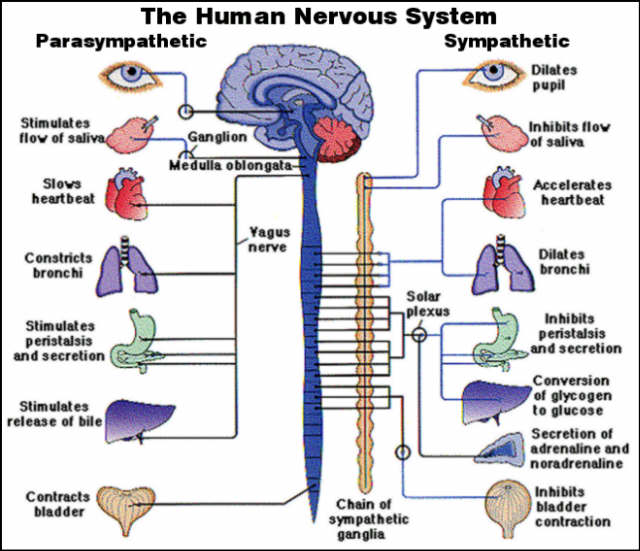
During stressful events, our adrenal glands release adrenaline, a hormone which activates our body’s defense mechanisms causing our hearts to pound, blood pressure to rise, muscles to tense, and the pupils of our eyes to dilate. The Nervous System is the master control center in the body. It is designed to allow rapid internal communication by detecting and responding to constant changes inside and outside the body. None of our body systems (Digestive, Cardiovascular, Immune, Lymphatic.etc) are capable of functioning alone as they all work together to maintain homeostasis (balance). The Nervous System is the chief of all the systems and that is the exact reason why we need to take care of this important body system.

Why we must reduce stress
Reducing stress also reduces your risk for heart disease, the number one killer of American women, and certain types of cancer. Many women experience PMS and menopausal symptoms will find the severity of these symptoms improved dramatically, once reduced stress level is achieved. Untreated stress leads many people to depression, anxiety, headaches, and a host of other complaints, making reduction of stress important factor in improving your total health.

So where do we start? 5 Stress-free Stress Busters

Exercise


Physical exercise is one of the most effective ways of relieving stress. It improves blood flow to the brain and causes the body to release endorphins. Even just 7 minutes of intense exercise can get these little guys going and having you feel more energized and mentally relaxed. Beauty FIT Beast is an excellent source for fresh, new exercises to surely get the blood pumping. 

Keep a Journal


Reflect on your day, your emotions, and your personal goals. Include everything that stresses you, so you can start to recognize patterns and take appropriate action. Writing is also a great way to relax and put things into perspective.

Get Organized


Set aside a place for bills, paperwork, and important documents. Store items you use most often in accessible places. I  purchased some baskets from the dollar store to keep these loose papers in and out of the way. Spending five minutes straightening your office, purse/brief case or main living area at the end or beginning of your day will not only make your work more productive but also bring your mind to a sense of clarity. Keep a long-range calendar and a short-range to-do list. Check off items as you finish them for a sense of accomplishment.

Meditate


Ai-Linn Chua Henderson, A Natural Healing Practitioner says, When we become aware of our thoughts, we are then able to see certain things about the way we make choices in our lives, or the way we react to things, and this awareness is powerful. Because this awareness gives us the power to change the thought patterns that hold us back, and allow us to consciously create new ways of thinking and patterning. Follow her easy meditation to help you de-stress, Meditation Made Easy: 10 Steps to finding your Inner Self. 

and of course……

Proper Nutrition

This photograph belongs to Melissa Macchione. Unauthorized use is prohibited. 


Eat breakfast within 1 hour of waking to break the fast will give your body the much needed glucose found in your food to give you energy. Lack of energy equals lack of motivation, attention and mood. Start off the day on the right foot. Try my Morning Glory Oatmeal which is packed with feel good ingredients such as whole grains, blueberries, nuts and seeds. 

Small more frequent meals – You want to avoid drops in your blood sugar levels. Eating small more frequent meals, every 3-4 hours, will help control blood sugar levels resulting in an overall better mood. When drops in blood sugar levels happen we tend to become more on edge and depressed. Try some of My Favourite Stress Busting Snacks in between meals to avoid the icky lows. 

Reduce or Eliminate Caffeine Intake – Avoid going for a coffee mid-afternoon for the increase in energy, instead go for a Stress Busting Snack. Caffeine stimulates the central nervous system. Heavy daily caffeine use (4 to 7 cups of coffee per day) can cause: insomnia, nervousness, restlessness, irritability, nausea or other gastrointestinal problems, fast or irregular heartbeat, muscle tremors, headaches and/or anxiety. If you are missing the caffeine go for a green tea. Yes, green tea contains caffeine however the benefits of green tea out weigh the negatives when compared to coffee.

Eat Consciously to elaborate on yesterday’s post, Conscious Eating, here are a few tips to help you eat mindfully.

1) When preparing your meal enjoy yourself. Put on your favourite music, have a clean and today work space, take pictures of your creations and have fun doing it!

2) When sitting down the meal you just prepared with love really look at the food.Recite in your mind or out loud what it is you are about to eat.

3) Eat slowly. As hungry as you may be and as delicious as the food is slow down! Twenty minutes is the time it should take to consume your meal. Tip: put your fork/spoon/hands down in-between bites.

The information presented here is not intended to replace professional medical care when needed. Consult a qualified healthcare practitioner for disease diagnosis, therapy choice, medicine selection and dosage.   


Fabulous Fiber


Dietary Fiber plays an important role in keeping our body healthy and processing the food we eat. Fiber is known to relieve constipation and hemorrhoids, help with weight loss, lower cholesterol and can lower the risk of certain diseases such as heart disease, cancer, diabetes, gallstones and kidney stones.


Fiber can be found in: Fruits, Vegetables, Grains, Legumes, Nuts and Seeds.


The two main types of fiber are Soluble and Insoluble Fiber.

Soluble Fiber forms a gel when mixed with liquid, while insoluble fiber does not. Insoluble Fiber passes through our intestines largely intact. Both types of fiber are important to our health.


Soluble fibers are commonly found in fruits (especially pear, apple and citrus), vegetables (such as carrots)oats, barley, nuts, flax seed and legumes.


These water-soluble fibers form gels that provide beneficial effects including:

* Slow stomach emptying which contributes to fullness and decreased appetite.

* This delayed stomach emptying slows the absorption of carbohydrates which reduces

after-meal blood sugar spikes (this helps regulate blood sugar especially those who have diabetes)

* Binds to fatty acids

* Lowers LDL (bad)cholesterol


Insoluble fibers are commonly found in wheat and corn bran, whole grain breads and cereals, nuts, seeds and vegetables (green beans, dark leafy greens and skins of root vegetables).


Insoluble fibers beneficial effects include:

* they promote regular bowel movement and prevent constipation

* help prevent colon cancer by keeping an optimal pH in intestines to prevent microbes from producing cancerous substances

* eases the removal of toxic waste in colon
 

Tips to Increase daily Fiber intake:


* Include raw fruits and vegetables in your diet.

* Snack on fresh fruits and vegetables in place of sugary or refined foods.

* Make a fresh fruit smoothie and add a tablespoon of ground flax seed.

* Include whole grains in your diet: oats, brown rice, bran, quinoa, barley and spelt.

* Substitute whole grain flour in recipes which call for white flour.

* Add ground flax seed to oatmeal or yogurt.

* Snack on unsalted/unbuttered popcorn, dehydrated vegetable crisps or whole grain crackers in place of potato chips, corn chips or pretzels.

* Add legumes to soups, stews and salads. Dip your whole grain crackers or vegetables crisps in hummus or sunflower pate.

* Avoid refined and processed foods which contain little or no fiber.
 
 
Important considerations


* Increase fiber intake gradually to avoid gas and bloating.

* Drink plenty of water: Divide your body weight by 2 than divide by 8 to get the number of 8oz glasses of water you should drink per day.


Find out your daily fiber intake requirement here:

http://www.healthcalculators.org/calculators/fiber.asp
 
 
The information presented here is not intended to replace professional medical care when needed. Consult a qualified healthcare practitioner for disease diagnosis, therapy choice, medicine selection and dosage.


Supporting your Nervous System


It seems like the last few weeks have been a blur. Searching for a home is stressful to say the least. I feel like I have been going through the daily motions of life and not stopping to "smell the roses" like I try so consciously to do. Being a mom, working full-time, taking care of my father and most recently a first time home owner is wearing me down. Before I have a nervous breakdown I need to take my own "Registered Holistic Nutritionist" advice and smell the freakin' roses before my Nervous System back fires on me.  Below is a handout I give to some of my "stressed out" clients.


The Nervous System is the master control center in the body. It is designed to allow rapid internal communication by detecting and responding to constant changes inside and outside the body. None of our body systems (Digestive, Cardiovascular, Immune, Lymphatic.etc) are capable of functioning alone as they all work together to maintain homeostasis (balance). The Nervous System is the chief of all the systems.

Here are some recommendations to support and keep your control center healthy.
 
Reduce or eliminate caffeine. Caffeine stimulates the central nervous system. Heavy daily caffeine use (4 to 7 cups of coffee a day) can cause: insomnia, nervousness, restlessness, irritability, nausea or other gastrointestinal problems, fast or irregular heartbeat, muscle tremors, headaches and/or anxiety.

Reduce or eliminate cigarette smoking. "Many smokers perceive smoking as a way to calm stress, when, in fact, what they're doing is satisfying nicotine cravings and withdrawal," says Rob Cunningham, senior policy analyst for the Canadian Cancer Society. "In many respects, smoking — or the delay in having a cigarette — is the cause of stress."


Drink two liters of pure water daily. Avoid tap water and water softeners. Replace tea and coffee with herbal teas and restrict intake of alcohol. Alcohol decreases the function of the cerebellum. The cerebellum is responsible for muscle co-ordination, maintenance of balance and posture.


Consider taking a high quality Vitamin B complex and a proper ratio of Calcium:Magnesium (facilitate nerve conductivity).


Incorporate these potassium rich foods in your daily dietary regimen which support the adrenal glands: raw almonds, avocados, yams, lettuce, lentils, spinach, pineapple, strawberries, kale, bananas and brown rice.


Incorporate foods rich in EFAs (Essential Fatty Acids) which are beneficial for hyperactivity in children and nervous system conditions such as, depression and "burn out", in adults. Some of my favourite EFAs sources are flax seed and salmon.


Practice stress management: yoga, long walks (without your blackberry), shiatsu, massage (massage will also help with skeletal and muscular problems)....


 deep breathing meditation and spiritual readings.


How To Meditate: A Step-by-Step Guide to the Art and Science of Meditation [ILLUSTRATED]Meditation For Dummies (Book and CD edition)Stages of MeditationThe Soul Of Healing MeditationsThe Meditation Bible: The Definitive Guide to Meditations for Every Purpose (... Bible)